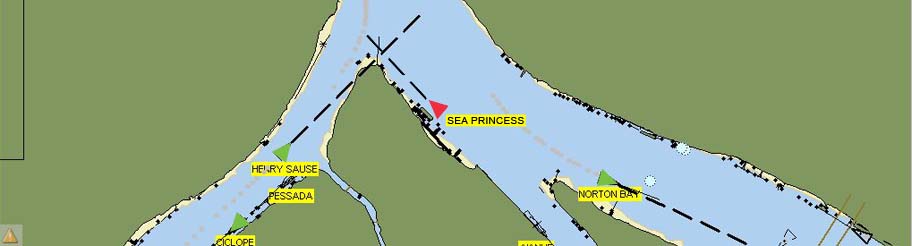


AIS receivers pick up all Class A and Class B broadcasts, however, unlike transceivers they do not transmit any AIS data. They are designed to see, but not be seen, aimed squarely at the leisure market for mariners who want to enjoy the fun aspects of AIS, but without the full AIS benefits.
As with Class B and Class A transceivers, AIS receivers use the VHF antenna to receive data, however, there are no connections to a GPS antenna as the device does not transmit its position, so does not require a connection.
Receivers allow you to see the position and other details from AIS devices within range, but they are not able to see you. AIS receivers can have the same outputs as any other AIS device, namely NMEA 0183, NMEA 2000, USB, wifi and RS232, which allows integration too many display options.


