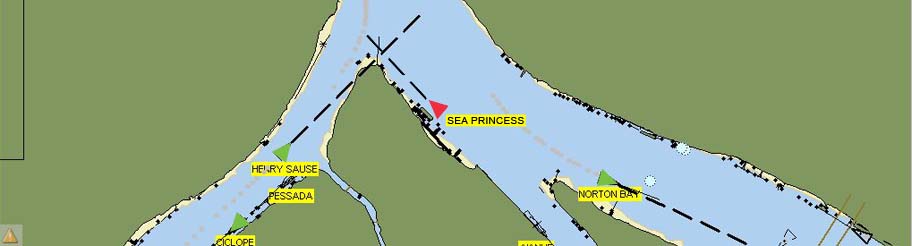


 Base stations offer a link between vessels sailing within range and a command centre located inland.
AIS base stations offer the chance to form an AIS network long a country's coastline that enhances national security and forms a link between the sea and monitoring centre further inland. AIS base stations are able to relay information from AtoNs as well as vessel information to a monitoring or command centre further inland, aiding national security.
Base stations also allow control over the slot map by reserving space for AtoNs using FATDMA to broadcast into.
Base stations can offer many different connectors, allowing connection to many different display systems, including PCs, chart displays, or wireless enabled devices. They can be found in AIS stations along the coast housing large antennas that maximise VHF range.
 In an emergency situation, mariners have predominantly used radar SARTs as a means to alert ships they are in distress. However, AIS SARTs offer many benefits including the ability to see around headlands as well as transmitting the heading and speed of the life raft.
 AIS receivers offer the most cost effective option for non SOLAS vessels wanting to monitor AIS traffic, without being seen themselves. Receivers pick up every AIS message in range, plotting targets onto chart displays.
 AIS offers many benefits to Aids to Navigation including chaining which can increase an AIS base station’s range, weather and sea monitoring capabilities and vessel monitoring and tracking.
 Class B transceivers were pioneered to offer AIS benefits to smaller vessels. Class B devices offer lower power, fewer receivers and different display options to a Class A transceivers. Coupled with cost savings, Class B devices are ideal for mariners with small pleasure craft or fishing boats.